
Be Informed
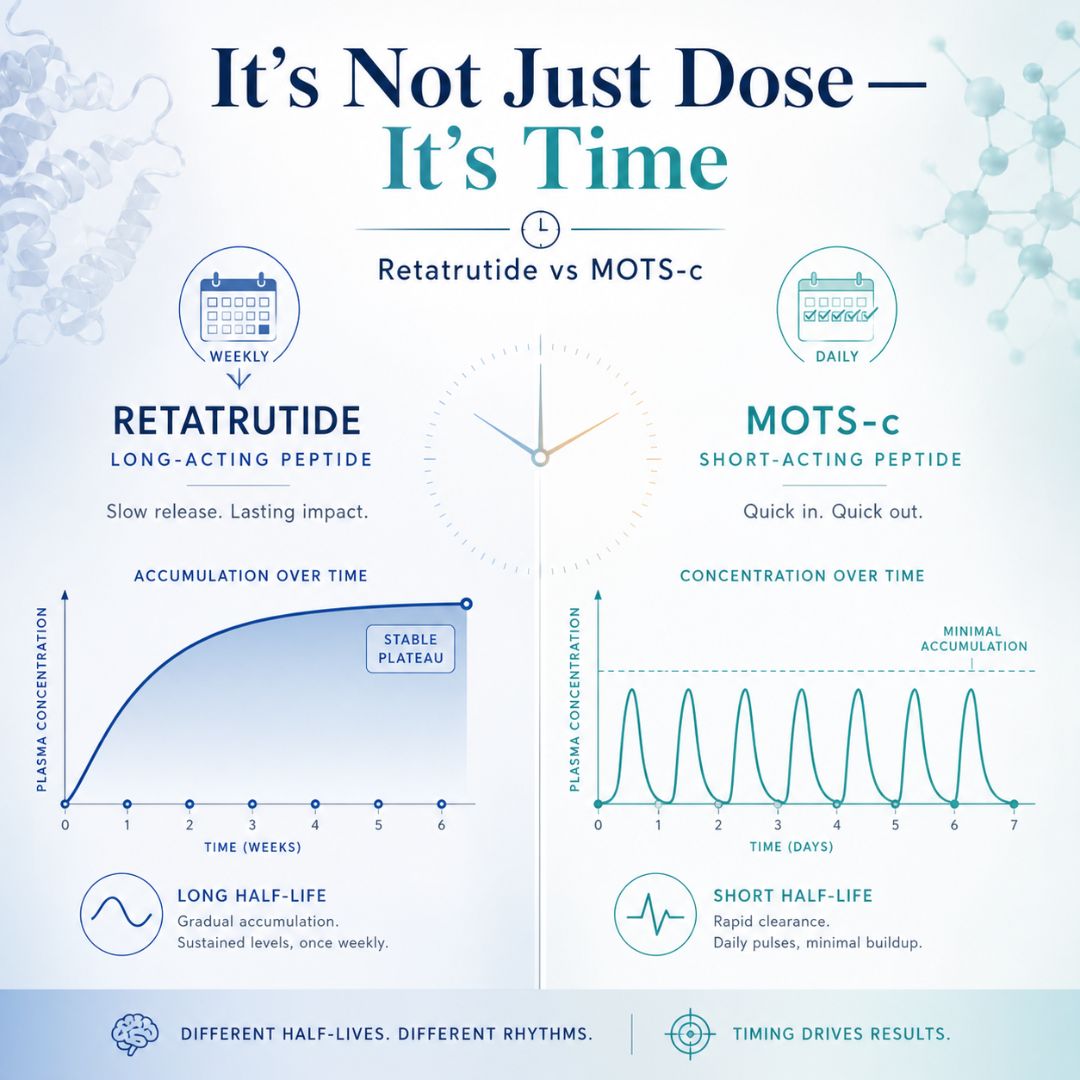
Peptides are often approached too narrowly. People focus on dose: how much to take, how often to take it, and when to increase. But that misses the more important principle.
Peptides are not single-event interventions. They are time-dependent signalling compounds, and their effect is shaped as much by how long they remain active in the body as by the dose itself.

A new format is coming to The Clinic.
With oral NAD+ and glutathione on the way, the conversation is not simply about adding two more products. It is about adding a different kind of support experience — one that feels simpler, more familiar, easier to travel with, and easier to build into everyday life.

For many adults, the first signs of aging do not arrive dramatically. They show up quietly.
Energy feels less reliable. Recovery takes longer. Stress seems to bite harder. Sleep does not restore the way it once did, and the ability to stay sharp, active, and resilient through a full week starts to feel less automatic.

For many older endurance athletes, the problem is not motivation. It is recovery.
The discipline is still there. The willingness to train is still there. But the bounce between sessions often is not what it once was. Hard blocks leave a deeper dent, poor sleep bites harder, and the margin for error becomes smaller. A missed recovery day, a poor night of sleep, or a heavy weekend session can linger into the week that follows.
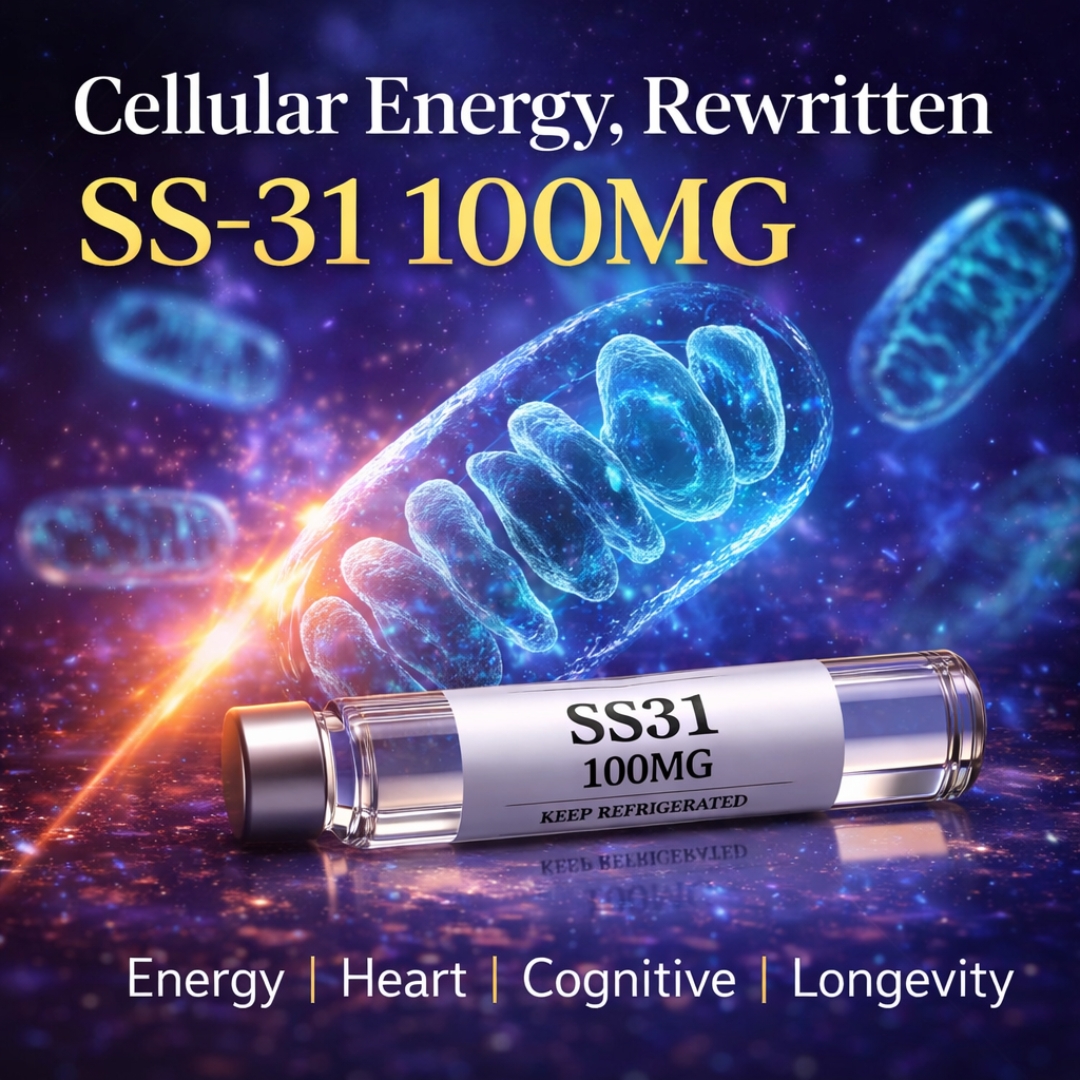
When people start looking at energy support, they usually begin with broad tools that help the body manage fuel, recovery, and cellular stress. SS-31 sits slightly deeper than that. It is best understood as a mitochondria-targeting peptide used to support mitochondrial efficiency, oxidative resilience, recovery under load, and healthy-aging strategies built around energy production itself.


